Ingredient profile
Muira Puama, Damiana and Catuaba in Protoflow: 200, 200 and 84.5 mg
Muira puama, damiana and catuaba are three plants from the Americas that Protoflow lists at 200 mg, 200 mg and 84.5 mg per 2 capsules. They are traditional herbs for sexual wellbeing, not bladder or prostate herbs. The sources we read cite no human trials in men for the prostate, testosterone or urinary flow.
Written by the Protoflow label deskUpdated
The three herbs
What are muira puama, damiana and catuaba?
They are plant parts used in folk medicine, mostly for sexual function and energy. Protoflow packs 484.5 mg of the three.
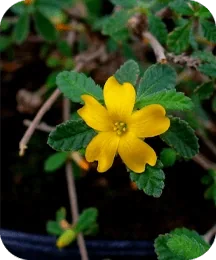
Muira puama is a root from a shrub in the Amazon, printed on the label as "Muira Puama (Root)" at 200 mg. Damiana is a leaf from a shrub that grows in Central America and Mexico, listed at 200 mg. Catuaba is a bark, listed at 84.5 mg.
All three appear on the sales page as named ingredients (Protoflow sales page). Together they make up about 30% of the 1,619 mg serving, so they take up more room than saw palmetto, ginkgo or ginseng. Room is not proof of effect.
| Label line | Part | Amount | Daily Value |
|---|---|---|---|
| Muira puama | Root | 200 mg | Not established |
| Damiana | Leaf | 200 mg | Not established |
| Catuaba | Bark | 84.5 mg | Not established |
Damiana
What is damiana used for traditionally?
Damiana is claimed to help sexual function, anxiety, constipation and diabetes. The human evidence is thin.
NCCIH lists claimed uses of damiana that include sexual dysfunction, diabetes, anxiety, constipation and kidney disorders (MSK, Damiana). The only sexual-function human data it cites are one small study in women, using a product that mixes damiana with other ingredients.
It cites no human trials in men for sexual function, testosterone, the prostate or the bladder (MSK, Damiana).
Does damiana affect blood sugar? The diabetes claim rests on animal studies only (MSK, Damiana). If you take diabetes medicine, tell your prescriber about the whole bottle. Asian ginseng in the same formula may also lower blood sugar (NCCIH, Asian Ginseng).
Catuaba and muira puama
What is catuaba bark, and is muira puama studied?
Catuaba is a Brazilian bark. Several different plants are sold under that one name.
A review of 74 Brazilian plants used for sexual dysfunction found that 14, including catuaba and damiana, had been studied in the lab (Teixeira et al., J Ethnopharmacol 2024). The proposed actions come from lab and animal work. It reports no human trial showing catuaba treats a urinary, prostate or sexual condition.
Because several species are sold as catuaba, products can differ and may be adulterated (Teixeira et al., J Ethnopharmacol 2024). The label does not name the species.
For muira puama, a safety review of 15 herbal aphrodisiacs found most appeared safe at therapeutic doses, with possible effects from overdosing or unstandardized products (Brunetti et al., Pharmaceuticals 2020). It is a safety review, not proof that muira puama works.
Evidence
Are these herbs studied in humans, and are they about the bladder?
Barely, and no. They are sexual-wellness herbs, and none has a bladder or prostate trial behind it in the sources we read.
The ones that exist are small, in women, or in mixed products. NCCIH says no complementary approach has been shown safe and effective for sexual enhancement or for erectile dysfunction (NCCIH, Erectile Dysfunction/Sexual Enhancement).
Many products sold as herbal aphrodisiacs have been found with hidden drugs. We have seen no FDA notice for Protoflow (FDA, Sexual Enhancement Product Notifications).
| Muira puama | Safety review exists; no trial listed for the prostate (Brunetti et al., Pharmaceuticals 2020) |
|---|---|
| Damiana | No human trials in men cited (MSK, Damiana) |
| Catuaba | Lab and animal work; species vary (Teixeira et al., J Ethnopharmacol 2024) |
Do not replace tamsulosin, finasteride or any other medicine with these herbs. A weak stream or waking at night to pee needs a doctor, since BPH, infection, diabetes and prostate cancer can all cause it (NIDDK, Prostate Enlargement (BPH)).

Protoflow: from $1.63 a day60 capsules a bottle · packs of 2, 3 or 6 · 60-day money-back guarantee
See packsWhy one page
Why are the three herbs grouped on one page?
They share a traditional use and the same lack of human trials, so one page covers all three.
Each is a South or Central American plant sold in the same breath as sexual wellness. Their research gaps match, so repeating them three times would add nothing.
Read how each fits next to the rest on the ingredients page, and see the stronger interaction flags for ginkgo and ginseng on the ginseng and ginkgo page.
Label profile
What does the label print for these three lines?
Three lines, three amounts, no blend.
| Name on the label | Damiana (Leaf) |
|---|---|
| What it is | Turnera diffusa leaf |
| Group on this site | Vitality herbs |
| Amount per 2 capsules | 200 mg per 2 capsules |
| Amount per capsule | about 100 mg |
| On the sales page's list of 8? | Yes |
| Amount used in research | No human dose established |
| Strength of evidence | No human trials in men |
| Marketed or traditional use | Traditional tonic herb |
| Main caution | Few side-effect data exist. |
| Name on the label | Muira Puama (Root) |
|---|---|
| What it is | Ptychopetalum root, from Brazil |
| Group on this site | Vitality herbs |
| Amount per 2 capsules | 200 mg per 2 capsules |
| Amount per capsule | about 100 mg |
| On the sales page's list of 8? | Yes |
| Amount used in research | No human dose established |
| Strength of evidence | Not established |
| Marketed or traditional use | Traditional Amazon tonic |
| Main caution | Few side-effect data exist; unstandardized products vary. |
| Name on the label | Catuaba (Bark) |
|---|---|
| What it is | Bark sold under one name from several Brazilian trees |
| Group on this site | Vitality herbs |
| Amount per 2 capsules | 84.5 mg per 2 capsules |
| Amount per capsule | about 42.2 mg |
| On the sales page's list of 8? | Yes |
| Amount used in research | No human dose established |
| Strength of evidence | Lab and animal studies only |
| Marketed or traditional use | Traditional Brazilian tonic |
| Main caution | Different species are sold as catuaba, so products vary. |
FAQ
Muira puama, damiana and catuaba questions
01What is muira puama?
Muira puama is the root of an Amazon shrub used in folk medicine, mostly for sexual wellbeing. Protoflow lists Muira Puama (Root) at 200 mg per 2 capsules. A safety review covers it, but it is not proof that it works (Brunetti et al., Pharmaceuticals 2020).
02What is damiana used for traditionally?
Damiana leaf is traditionally used for sexual function, anxiety, constipation, diabetes and kidney problems (MSK, Damiana). NCCIH cites no human trials in men for any of these. Protoflow lists Damiana (Leaf) at 200 mg per serving.
03What is catuaba bark?
Catuaba is a bark from Brazilian trees used for sexual dysfunction. Several species are sold under the name, which has led to adulteration (Teixeira et al., J Ethnopharmacol 2024). Protoflow lists Catuaba (Bark) at 84.5 mg and does not name the species.
04Are these herbs studied in humans?
Very little. The sources we read cite no human trial showing any of the three helps the prostate, bladder, testosterone or urinary flow (MSK, Damiana) (Teixeira et al., J Ethnopharmacol 2024). Most ideas come from lab and animal work.
05Does damiana affect blood sugar?
Possibly, but this is untested in people. The diabetes claim for damiana rests on animal studies (MSK, Damiana). If you take diabetes medicine, ask your doctor before taking Protoflow, which also holds ginseng.
06Are these three herbs about the bladder or something else?
Something else. They are traditional sexual-wellness herbs, and no source we read ties them to the bladder or prostate (MSK, Damiana) (Teixeira et al., J Ethnopharmacol 2024). They sit in a formula sold for prostate flow support.
07Why are the three herbs grouped on one page?
They share a traditional use and the same gap in human research. One page lets us show the label amounts of 200, 200 and 84.5 mg together, and it avoids repeating the same evidence note three times.
Who wrote this
Written and reviewed by
Pages built from the Protoflow label, the sales page and linked NIH, FDA, FTC, NHS and peer-reviewed sources.
Last updated . Learn about our editorial standards and how we check reviews. This website is run by Goprotoflow, a licensed U.S. retail desk for Protoflow, not by the manufacturer or by PhytoThrive Labs. We earn money when you buy through our order links.
Keep reading
More about Protoflow

Licensed U.S. retail desk for Protoflow
Ready to try Protoflow?
Check your medicines first, then pick a pack. Bigger packs cost less per day, and the 60-day money-back guarantee gives you two months to judge it.
- Secure ClickBank checkout
- 60-day guarantee
- Free US shipping on 3 and 6 bottles