Ingredient profile
Chinese Ginseng and Ginkgo in Protoflow: 120 mg Each, and the Bleeding Risk
Chinese ginseng and ginkgo are two of the 14 Protoflow label lines, 120 mg each per two capsules. Ginkgo may raise bleeding risk with blood thinners such as warfarin, and Asian ginseng may lower blood sugar and affect clotting. The sales page does not name ginkgo. Ask a doctor first if you take either kind of medicine.
Written by the Protoflow label deskUpdated
On the label
What do Chinese ginseng and ginkgo do in Protoflow?
They are two of the 14 lines, 120 mg each. Neither has been studied for the prostate.
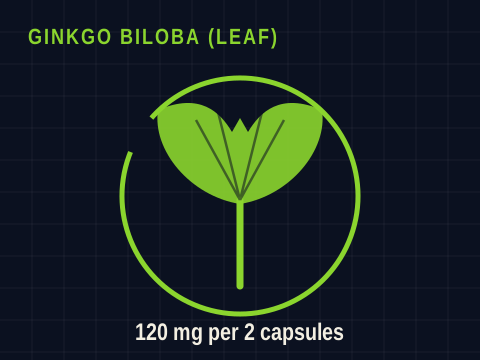
The label lists Chinese Ginseng (Root) at 120 mg and Ginkgo Biloba (Leaf) at 120 mg per serving. Each capsule holds 60 mg of each.
Ginseng is a traditional energy herb. Ginkgo is sold for memory and circulation. The NCCIH pages on both make no claim about the prostate or urinary symptoms (NCCIH, Ginkgo) (NCCIH, Asian Ginseng). They sit in the formula for other reasons, and the label gives none.
The sales page names Chinese ginseng among its eight ingredients and does not mention ginkgo (Protoflow sales page). A reader on a blood thinner would never learn of it there.
Which ginseng
Is Chinese ginseng the same as Panax ginseng?
Usually, yes. Chinese ginseng generally means Panax ginseng, also called Asian ginseng. The label does not print the Latin name.
Panax ginseng is the root grown in China and Korea. Many sellers call it Chinese, Korean or Asian ginseng. American ginseng and Siberian ginseng are different plants.
Our reading is that the label means Asian ginseng. The NCCIH page we cite covers Asian ginseng and does not address the words "Chinese ginseng" (NCCIH, Asian Ginseng). So the research below is a close match, not a proven one. Ask the order desk at Protoflow order desk for the species in writing.
The label also names no extract or ginsenoside content.
Bleeding risk
Does ginkgo thin the blood?
It may raise bleeding risk in people who take anticoagulants such as warfarin, says NCCIH.
Ginkgo is not a prescription blood thinner, but NCCIH says it may increase bleeding risk with anticoagulants, and advises anyone on any medicine to ask a provider first (NCCIH, Ginkgo). Ginseng adds a second note: it may interfere with blood clotting (NCCIH, Asian Ginseng).
Two herbs on the label point the same way, so the combined effect on a person taking warfarin, apixaban or clopidogrel is hard to predict. That is a reason to ask, not a prediction of harm.
Show your doctor or pharmacist the Supplement Facts panel before the first capsule. Do not stop or change a prescribed blood thinner yourself. See supplements and prostate medicines.
Before surgery
Should ginkgo be stopped before surgery?
Tell your surgeon about it. Ask how long before the operation to stop.
NCCIH notes that some supplements may increase bleeding risk or affect anesthesia (NCCIH, Using Dietary Supplements Wisely). Ginkgo is one with a bleeding note (NCCIH, Ginkgo). The sources we read give no number of days, so we will not invent one.
List every capsule you take, Protoflow included, at the pre-op visit. Bring the bottle. The surgical team decides when to stop and when to restart.
Protoflow: from $1.63 a day60 capsules a bottle · packs of 2, 3 or 6 · 60-day money-back guarantee
See packsGinseng cautions
Can ginseng cause trouble sleeping or affect blood sugar medicine?
Yes to both, in some people. Insomnia is the most common side effect, and ginseng may lower blood sugar.
NCCIH names insomnia as the most common side effect of Asian ginseng. Rare reports include severe rash, liver damage and allergic reactions. Short-term oral use, up to six months, appears safe for most people (NCCIH, Asian Ginseng).
On blood sugar, a 2022 review of 20 studies in 1,295 people with prediabetes or diabetes found better fasting glucose, but the overall picture was inconclusive (NCCIH, Asian Ginseng). NCCIH says it may lower blood sugar. If you take diabetes medicine, the two could stack. Ask your doctor, and test as advised.
Sleep
If nights get worse, note the time you take the capsules and tell your doctor.
Blood sugar
Ask before use if you take insulin or tablets for diabetes.
Clotting
Ginseng may affect clotting. Blood thinner users should ask first.
Dose vs research
Is 120 mg of ginkgo leaf a typical dose?
It is half of the 240 mg a day used in the 6-year GEM trial, and that trial used extract.
In the GEM trial, 3,069 adults aged 75 or older took 120 mg of ginkgo extract twice a day, 240 mg in all, for a median of 6.1 years. Dementia rates did not differ from placebo (DeKosky et al., JAMA 2008 (GEM)). The trial tested memory, not the prostate.
Protoflow has 120 mg of ground leaf, in one daily serving. Leaf powder and a concentrated extract are not the same, so the numbers do not line up one to one. For ginseng, most trials ran under three months, and NCCIH sets no firm dose (NCCIH, Asian Ginseng).
| Line | Per 2 capsules | Research |
|---|---|---|
| Ginkgo (leaf) | 120 mg | 240 mg extract a day, no dementia benefit (DeKosky et al., JAMA 2008 (GEM)) |
| Chinese ginseng (root) | 120 mg | Small, short trials for erectile function (NCCIH, Asian Ginseng) |
Label lines
What do the ginseng and ginkgo label lines show?
Two lines of 120 mg each, with no extract ratio printed.
The cards below repeat each label amount, the research dose and the evidence level. Move on to the next group when you are done.
| Name on the label | Ginkgo Biloba (Leaf) |
|---|---|
| What it is | Ginkgo leaf |
| Group on this site | Circulation herbs |
| Amount per 2 capsules | 120 mg per 2 capsules |
| Amount per capsule | about 60 mg |
| On the sales page's list of 8? | No: on the label only |
| Amount used in research | 240 mg of extract a day in a 6-year memory trial |
| Strength of evidence | No memory benefit in that trial; not studied for the prostate |
| Marketed or traditional use | Sold for memory and circulation |
| Main caution | May raise bleeding risk with blood thinners such as warfarin. |
| Name on the label | Chinese Ginseng (Root) |
|---|---|
| What it is | Panax ginseng root (Asian ginseng) |
| Group on this site | Prostate and other |
| Amount per 2 capsules | 120 mg per 2 capsules |
| Amount per capsule | about 60 mg |
| On the sales page's list of 8? | Yes |
| Amount used in research | No set dose; most trials ran under 3 months |
| Strength of evidence | Some small trials for erectile function |
| Marketed or traditional use | Traditional energy herb |
| Main caution | Insomnia is the most common side effect; may lower blood sugar and affect clotting. |
FAQ
Ginseng and ginkgo questions
01Is Chinese ginseng the same as Panax ginseng?
Usually. Chinese ginseng generally means Panax ginseng, also called Asian ginseng. The label does not print the Latin name, so ask the order desk for the species in writing.
02Does ginkgo thin the blood?
Ginkgo may raise bleeding risk in people who take anticoagulants such as warfarin, according to NCCIH (NCCIH, Ginkgo). It is not a prescription blood thinner. Ask your doctor first if you take one.
03Should ginkgo be stopped before surgery?
Tell your surgeon about it, since some supplements may raise bleeding risk or affect anesthesia (NCCIH, Using Dietary Supplements Wisely). Ask how long before the operation to stop. The sources we read give no set number of days.
04Can ginseng cause trouble sleeping?
Yes. Insomnia is the most common side effect of Asian ginseng, says NCCIH (NCCIH, Asian Ginseng). If your sleep worsens after starting Protoflow, tell your doctor and note when you take the capsules.
05Does ginseng affect blood sugar medicine?
It may. NCCIH says Asian ginseng may lower blood sugar (NCCIH, Asian Ginseng). If you take insulin or diabetes tablets, ask your doctor before using Protoflow, and follow the monitoring plan you have.
06Does the sales page mention ginkgo?
No. The sales page names eight ingredients, and ginkgo is not among them (Protoflow sales page). The label prints Ginkgo Biloba (Leaf) at 120 mg per serving. Trust the label.
07Is 120 mg of ginkgo leaf a typical dose?
It is half of the 240 mg a day of extract used in the 6-year GEM trial (DeKosky et al., JAMA 2008 (GEM)). Protoflow lists leaf, not extract, so the match is rough. The trial tested memory, not the prostate.
Who wrote this
Written and reviewed by
Pages built from the Protoflow label, the sales page and linked NIH, FDA, FTC, NHS and peer-reviewed sources.
Last updated . Learn about our editorial standards and how we check reviews. This website is run by Goprotoflow, a licensed U.S. retail desk for Protoflow, not by the manufacturer or by PhytoThrive Labs. We earn money when you buy through our order links.
Keep reading
More about Protoflow
Licensed U.S. retail desk for Protoflow
Ready to try Protoflow?
Check your medicines first, then pick a pack. Bigger packs cost less per day, and the 60-day money-back guarantee gives you two months to judge it.
- Secure ClickBank checkout
- 60-day guarantee
- Free US shipping on 3 and 6 bottles