Aging and hormones
Testosterone After 40: Does It Really Fall 1 Percent a Year?
Testosterone decline after 40 is real but slow. Mayo Clinic says levels fall about 1% a year after age 30 or 40, which matches a line on the Protoflow sales page. A slow drop is normal aging, not a disease. Low-testosterone symptoms have many other causes, and only a blood test can confirm a low level.
Written by the Protoflow label deskUpdated · 4 min read
Does testosterone drop 1 percent a year after 40?
Yes, roughly. Mayo Clinic says testosterone declines gradually, typically about 1% a year after age 30 or 40 (Mayo Clinic, Testosterone and Aging).
The Protoflow sales page says "Testosterone levels decline on average about 1% a year after age 40." The figure is about right, though Mayo gives the start age as 30 or 40, and the page names no source. The sales page uses the figure to lead into its product claims.
The catch is that a fall of 1% a year is slow. Over ten years it is a modest change for most men, and it is not the same as having a low level.
What are the symptoms of low testosterone?
Low testosterone can bring reduced sex drive, fewer spontaneous erections, more body fat, less muscle, low mood and poor concentration (Mayo Clinic, Testosterone and Aging).
None of these is specific. Medicines, sleep apnea, thyroid problems, diabetes and depression can cause similar symptoms (Mayo Clinic, Testosterone and Aging). That is why guessing is a poor guide.
| Symptom | Other causes to rule out |
|---|---|
| Low sex drive | Stress, depression, some medicines |
| Fewer erections | Blood vessel disease, diabetes |
| Low energy, low mood | Poor sleep, sleep apnea, thyroid problems |
| More body fat, less muscle | Inactivity, diet, aging |
How do you know if testosterone is actually low?
Symptoms alone cannot show a low level. Only blood tests can.
A blood test is the only way to know. Doctors typically measure the level at least twice before recommending any therapy (Mayo Clinic, Testosterone and Aging).
Mayo also states that treating normal aging with testosterone therapy is not advisable. Risks listed include prostate enlargement and possible growth of an existing prostate cancer (Mayo Clinic, Testosterone and Aging). Testosterone is a topic to handle with a doctor, not with a guess.
List your symptoms
Note when they began and how strong they are.
Ask for a blood test
Ask your doctor about repeat tests and timing.
Review other causes
Check sleep, medicines, weight, thyroid and blood sugar.
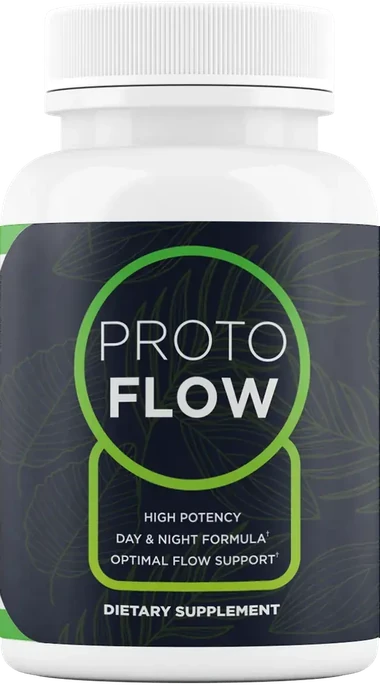
Protoflow: from $1.63 a day60 capsules a bottle · packs of 2, 3 or 6 · 60-day money-back guarantee
See packsDoes Protoflow change testosterone levels?
No evidence says it does. Protoflow is a dietary supplement with 14 labeled actives, and no trial has tested it on hormone levels.
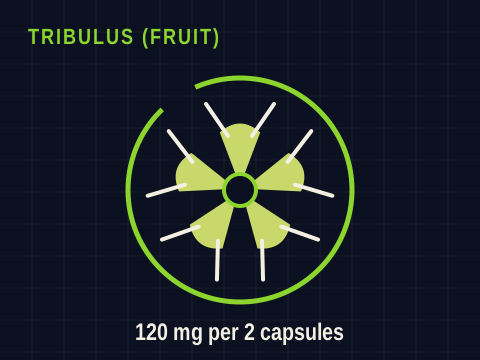
Its tribulus amount is 120 mg per two capsules. A review found that 8 of 10 tribulus studies showed no significant change in androgen levels, and studies used 400 to 750 mg (Vilar Neto et al., Nutrients 2025). We cover the sales claims on the benefits page, and the label math on how it works.
If you take medicine, keep taking prescribed medicine and ask your doctor or pharmacist before adding any supplement. See prostate basics for how the gland changes with age.
Order Protoflow
Thinking of trying it? The bigger packs cost less per day.
Prices from the sales page, October 19, 2026 (Protoflow sales page: packs). Two bottles cost $158 plus a small shipping fee. Every pack carries the 60-day money-back guarantee. Check your medicines first.


FAQ
Testosterone and aging questions
01At what age does testosterone start to fall?
It begins to fall gradually in adulthood. Mayo Clinic puts the start at about age 30 or 40, at roughly 1% a year. Individual levels vary a lot, so age alone cannot tell you whether your level is low.
02Is a lower testosterone level with age a disease?
Not by itself. A slow drop is part of normal aging. A doctor treats low testosterone only when blood tests are low and symptoms fit. Mayo says treating normal aging with testosterone therapy is not advisable.
03Can poor sleep or weight gain mimic low testosterone?
Yes. Poor sleep, sleep apnea, extra body weight, thyroid problems and depression can cause tiredness, low mood and low drive, just as low testosterone can. Ask your doctor to check these causes along with a hormone test.
Who wrote this
Written and reviewed by
Pages built from the Protoflow label, the sales page and linked NIH, FDA, FTC, NHS and peer-reviewed sources.
Last updated . Learn about our editorial standards and how we check reviews. This website is run by Goprotoflow, a licensed U.S. retail desk for Protoflow, not by the manufacturer or by PhytoThrive Labs. We earn money when you buy through our order links.
Keep reading
More about Protoflow


Licensed U.S. retail desk for Protoflow
Ready to try Protoflow?
Check your medicines first, then pick a pack. Bigger packs cost less per day, and the 60-day money-back guarantee gives you two months to judge it.
- Secure ClickBank checkout
- 60-day guarantee
- Free US shipping on 3 and 6 bottles