Blood test basics
PSA Test Explained: What It Measures and What Changes It
A PSA test measures prostate-specific antigen, a protein made by normal and cancerous prostate cells, in a blood sample. A high result does not mean cancer, because BPH, infection, a recent biopsy and even hard exercise can raise it. Some medicines lower it. Your doctor reads the number alongside your age and history.
Written by the Protoflow label deskUpdated · 4 min read
What is a PSA test and what does it measure?
A PSA test measures prostate-specific antigen in your blood. PSA is a protein made by both normal and cancerous prostate cells (NCI, PSA Test Fact Sheet).
Because normal cells make it too, the test cannot spot cancer alone. It flags a number that your doctor then reads in context.
A PSA number is a prompt for questions, not a verdict.
The National Cancer Institute notes there is no single cutoff that divides normal from abnormal. A level above 4.0 ng/mL is generally treated as abnormal and may prompt a biopsy (NCI, PSA Test Fact Sheet). Many doctors also weigh age, family history and past results.
What is a normal PSA level?
There is no one normal PSA level. A result above 4.0 ng/mL is generally called abnormal, but lower numbers can matter and higher ones can be harmless (NCI, PSA Test Fact Sheet).
False alarms are common. About 6% to 7% of men get a false positive in each screening round, and only about 25% of men biopsied for a high PSA turn out to have cancer (NCI, PSA Test Fact Sheet). That is why one number should lead to a talk, not panic.
| Factor | Effect on PSA |
|---|---|
| BPH (enlarged prostate) | Can raise it |
| Prostatitis or urinary infection | Can raise it |
| Recent biopsy | Can raise it |
| Hard exercise or ejaculation | Can raise it briefly |
| Finasteride or dutasteride | Lowers it |
Should every man get a PSA test?
Not automatically. The decision is a personal one made with a clinician after weighing benefits and harms.
As of its 2018 statement, the U.S. Preventive Services Task Force gives PSA screening a grade C for men aged 55 to 69, meaning an individual choice. It recommends against screening for men 70 and older (USPSTF, Prostate Cancer Screening).
The trade-off is real. Among 1,000 men aged 55 to 69 screened for 13 years, about 1.3 prostate cancer deaths are avoided, while about 100 men are diagnosed and some face sexual or bladder side effects from treatment (NCI, PSA Test Fact Sheet).
- Ask what a high result would lead to
- Ask how your age and family history change the picture
- Ask how often to repeat the test
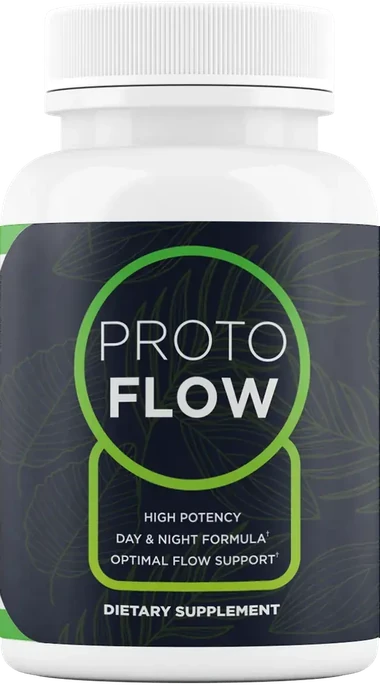
Protoflow: from $1.63 a day60 capsules a bottle · packs of 2, 3 or 6 · 60-day money-back guarantee
See packsCan supplements or medicines change a PSA result?
Yes, some medicines can. Finasteride and dutasteride lower PSA, so your doctor needs to know if you take them (NCI, PSA Test Fact Sheet). Saw palmetto does not appear to affect PSA, according to NCCIH (NCCIH, Saw Palmetto).
Protoflow has not been tested for its effect on PSA. It holds 14 actives, so tell your doctor about it before a test, just as you would any supplement. Keep taking prescribed medicine, and ask your doctor or pharmacist if you take tamsulosin, finasteride or anything else for your prostate.
For how supplements and prostate drugs can overlap, see our medicines guide.
Order Protoflow
Thinking of trying it? The bigger packs cost less per day.
Prices from the sales page, October 19, 2026 (Protoflow sales page: packs). Two bottles cost $158 plus a small shipping fee. Every pack carries the 60-day money-back guarantee. Check your medicines first.
FAQ
PSA test questions
01Do I need to fast before a PSA blood test?
Usually no, but follow the instructions from your clinic. Many doctors suggest avoiding ejaculation and hard exercise for a day or two first, because both can briefly raise PSA. Ask the lab or your doctor what they prefer.
02Can a urinary infection raise my PSA result?
Yes. Infection, prostatitis and a recent biopsy can all push PSA up. If you had one of these, tell your doctor, who may wait and repeat the test later rather than act on a single raised number.
03What happens after a high PSA result?
Usually your doctor repeats the test and looks for causes such as infection or BPH. If the number stays high, next steps can include imaging or a biopsy. A high result starts a conversation, not a diagnosis.
Who wrote this
Written and reviewed by
Pages built from the Protoflow label, the sales page and linked NIH, FDA, FTC, NHS and peer-reviewed sources.
Last updated . Learn about our editorial standards and how we check reviews. This website is run by Goprotoflow, a licensed U.S. retail desk for Protoflow, not by the manufacturer or by PhytoThrive Labs. We earn money when you buy through our order links.
Keep reading
More about Protoflow
Licensed U.S. retail desk for Protoflow
Ready to try Protoflow?
Check your medicines first, then pick a pack. Bigger packs cost less per day, and the 60-day money-back guarantee gives you two months to judge it.
- Secure ClickBank checkout
- 60-day guarantee
- Free US shipping on 3 and 6 bottles